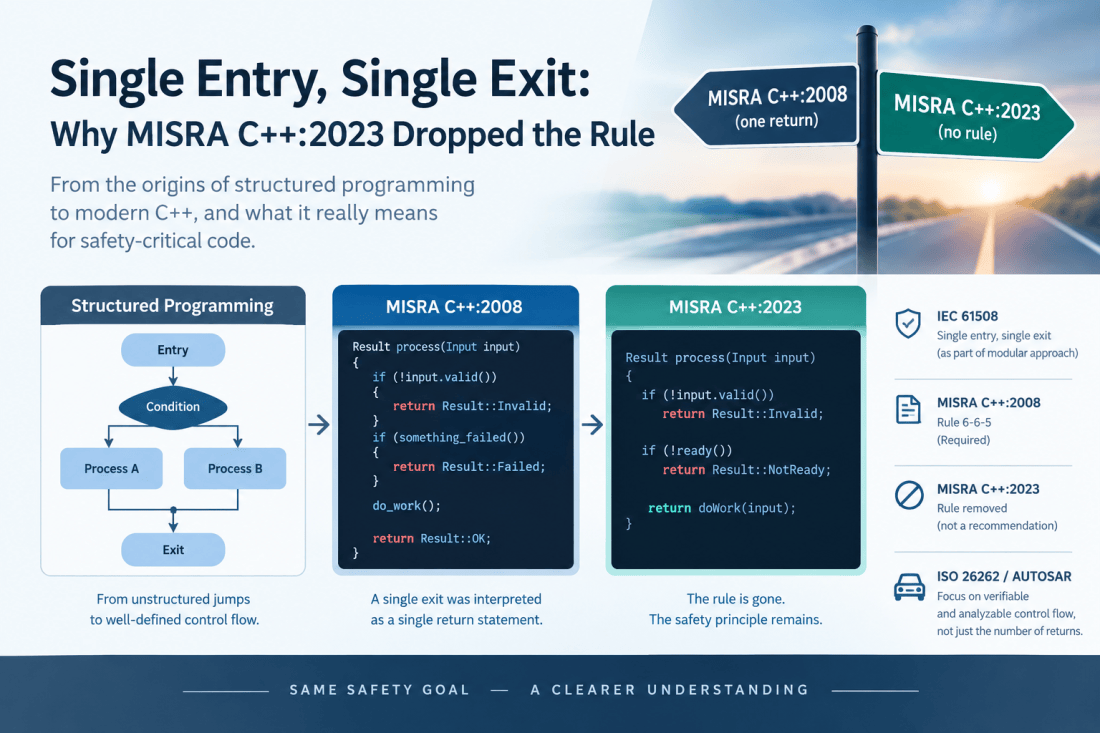
Abstract The single-entry, single-exit (SESE) principle has been an established element of structured programming and safety-oriented software development for several decades. In MISRA C++:2008, this principle was expressed explicitly through Rule 6-6-5, which required every function to have a single point of exit at the end of the function. Consequently, functions containing multiple return statements … Continue reading Single Entry, Single Exit: Reconsidering the Removal of the Rule from MISRA C++:2023
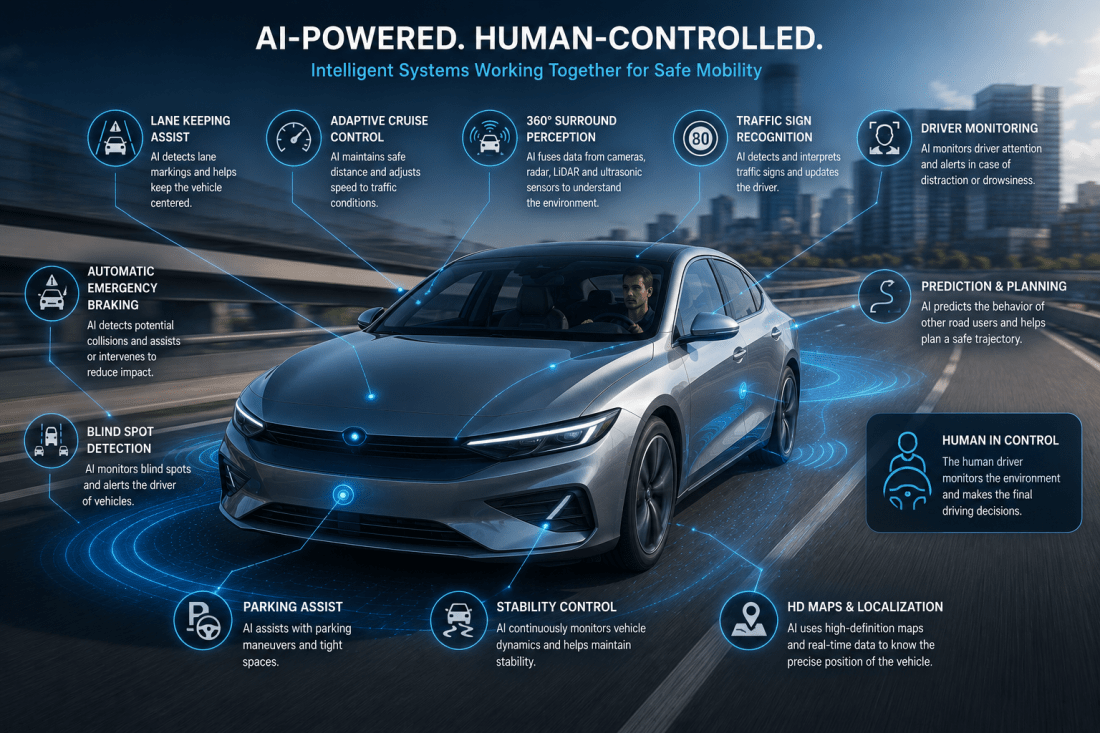
Understanding ISO/PAS 8800 and ASPICE for AI in Vehicles
This article examines how ISO/PAS 8800 and ASPICE 4.0 work together to create a structured approach for the lifecycle management of AI-enabled automotive systems, and how responsibilities are shared between suppliers and Original Equipment Manufacturers (OEMs).
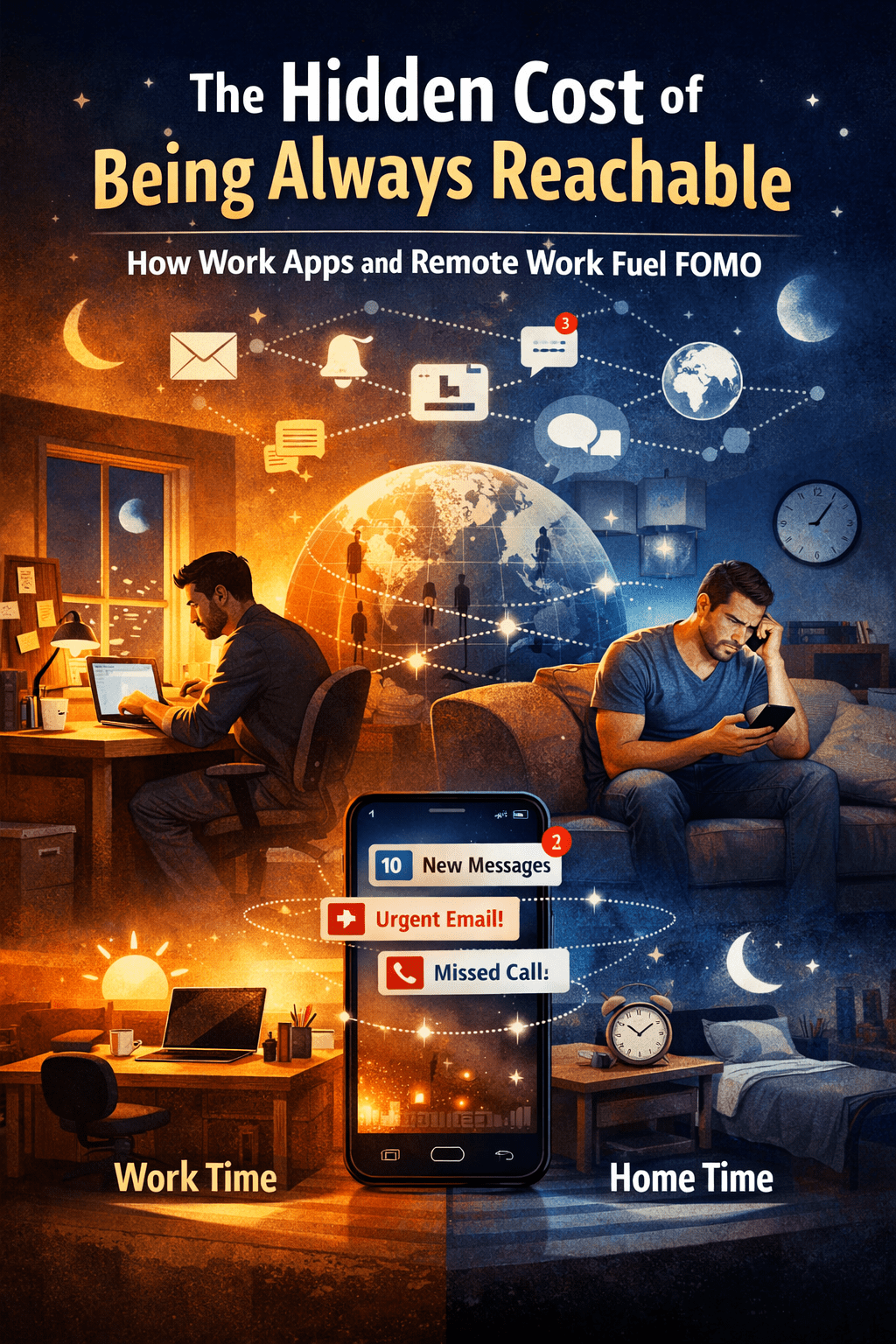
The Hidden Cost of Being Always Reachable: How Work Apps and Remote Work Fuel FOMO
In globally distributed teams, the promise of flexibility often comes with an unspoken trade-off: the expectation of constant awareness. What starts as a practical decisionโinstalling tools like Microsoft Teams or email on a smartphoneโcan gradually evolve into a persistent sense of obligation. Layer onto that the reality of working from home, and the boundaries between … Continue reading The Hidden Cost of Being Always Reachable: How Work Apps and Remote Work Fuel FOMO
Teaching Modern C++ Without Reference to C
Abstract Traditional approaches to teaching C++ frequently position the language as an extension or evolution of C. While historically justified, this pedagogical model has become increasingly misaligned with the realities of modern C++ (C++11 and later). This paper argues that effective instruction in modern C++ should deliberately avoid reliance on C as a prerequisite or … Continue reading Teaching Modern C++ Without Reference to C
Here it is the Elephant in the Car: How Modern Cars Outlive Their Software Systems
Abstract: Modern consumer vehicles are designed to last 12 to 15 years mechanically, but their embedded software systems often receive support for only 5 to 10 years. This growing mismatch presents challenges in safety, cybersecurity, functionality, and environmental sustainability. As software becomes increasingly central to automotive operation, the industry must address this lifecycle imbalance to … Continue reading Here it is the Elephant in the Car: How Modern Cars Outlive Their Software Systems