
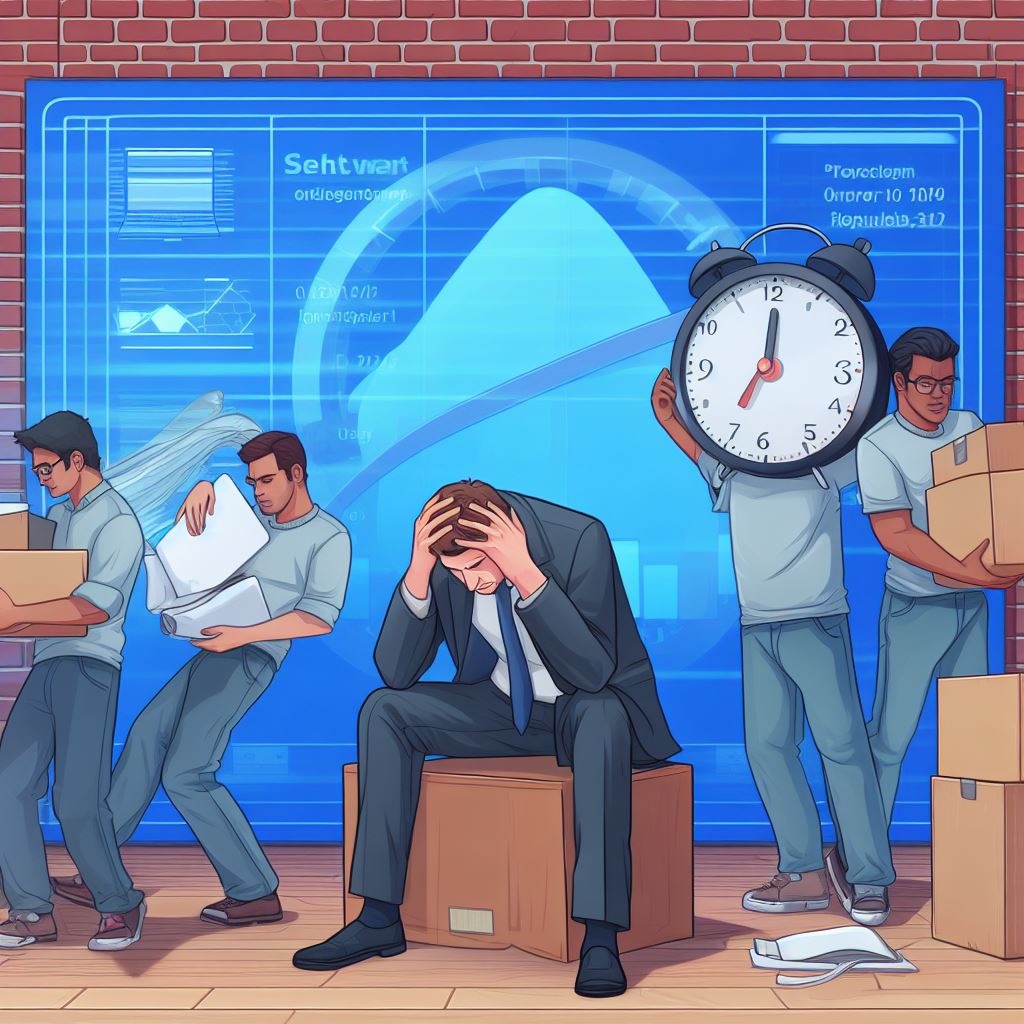
Working in a dynamic project environment often brings pressure and stress. However, as suggested in the previously provided experience, excessive pressure can lead to disastrous results, both for the project and the team. In this article, we will discuss why pressure is one of the worst project management practices and the consequences it can have on the quality of work and team effectiveness.
Even the most experienced and competent employees, under pressure, may make decisions that would be unwise in normal circumstances. What makes a good programmer make numerous mistakes, and a good reviewer overlook those mistakes in the review process, is precisely pressure. When the pressure to deliver a product within a certain timeframe is disproportionately high, engineers tend to focus more on completing the task rather than its technical correctness.
Paradoxically, pressure does not speed up work; it simply forces the scope of the project to be reduced. As a result, compromises are made regarding the product’s quality. Expecting quick delivery of architecture from architects results in delivering incomplete architecture, often focused solely on the most urgent use cases. Similarly, expecting rapid code delivery from programmers leads to the delivery of monolithic, unrefactorable code, often without tests.
Such an approach can lead to various problems. Instead of receiving a product of the expected quality, the client gets an incomplete solution of low quality. Even if employees work longer hours to deliver the product, it comes at the cost of their health, personal life, and job satisfaction. Pressure leads to increased stress, which, in turn, results in lower productivity and work quality.
The consequences of working under pressure vary from person to person. Some try to cope with pressure and work under it, while others try to escape it, and some lose their motivation to work. Exerting pressure on a team is one of the worst project management practices, which usually ends in project failure and has negative effects on the mental and physical health of employees.
It’s important to understand that working under pressure may lead to short-term successes, but in the long term, it carries the risk of project failure and lasting harm to the health and motivation of employees. Therefore, it’s crucial for project managers and team leaders to understand that pressure is not a solution but a problem that needs to be addressed.
In conclusion, pressure in project management can have disastrous effects. It is one of the main reasons why it’s essential to invest in proper planning, realistic timelines, and effective team management. Working under pressure is a trap that leads to poor decisions, lower product quality, and health problems. Instead of exerting pressure on employees, it’s better to create an environment that promotes collaboration, flexibility, and quality. Only then can you achieve lasting project success and job satisfaction.
Disclaimer: I wrote this article myself, all opinions and knowledge that I want to share are personal, but I used AI tools like Grammarly and GPT to improve the reading experience, and the article image is generated with Bing Image Creator.

 Codeist - Software Consultancy and Advisory